Author: mohamed saleh

The stables in the Mamluk era enjoyed a high position, as the Mamluk sultans used to occupy the seat attached to the royal stable to look into the affairs of the sectors and the affairs of the princes and the Mamluks, in addition to the practice of rulings among the people. To look into grievances, his son Al-Malik Al-Nasir Faraj bin Barquq followed in his path, then Al-Mu’ayyad Sheikh, and he used to sit every Friday, as did Sultan Barsbay, who designated Tuesdays and Saturdays, and like them did Al-Ghouri. Just as the stable was a place for looking into grievances, punishments…
Read More
آن بلانت

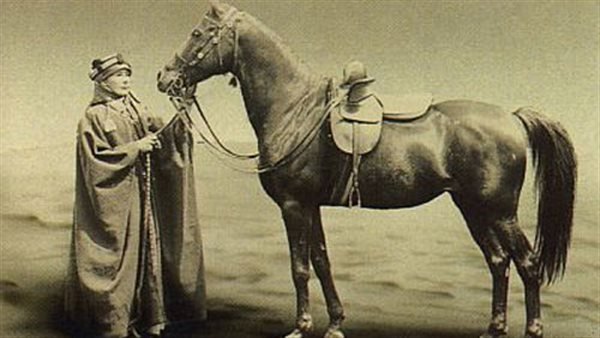
Despite Lady Anne Blunt’s great love for coming to Egypt, and her love for the purebred Arabian horse, this love caused her to hate Prince Ahmed Kamal and Ali Pasha Sharif. Blunt’s daughter, Lady Networth, mentioned this in her memoirs, where she says in her book “The History of the Horse” that “Zayd”, a Bedouin from the Mutair tribe, was sent by her mother, Mrs. Anne Blunt, to Ali Pasha Sharif to buy a mare, but the pasha guessed who sent him. And the narration of “Zayd” about the interview was that the Basha said: “O Zaid, one hoof of…

Read More

There are certain signs and specifications, through which we can judge a good horse, just as there are signs of an old, patient, ferocious mare, and the previous mare, and others. The most important signs of a “good mare” are the thinness of the bosom, large nostrils, long ears, prominent eyes, less fleshy cheeks, prominent tonsils, and short elbows. The Manuscript of Al- Bajirmi explains in the statement of the signs of a good horse that it should be sweeping knees, sparse nerves, broad trotting, black groves, legions and hooves, thin spurs, long tail and neck, short back, and rounded…

Read More

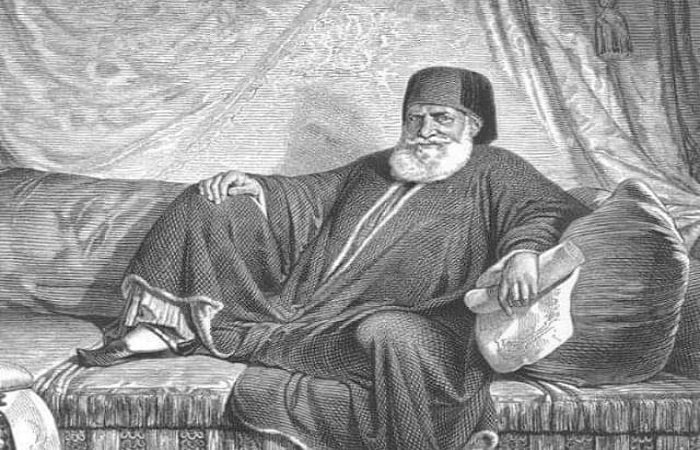
In front of Muhammad Ali Pasha’s interest in horses, spending generously on them, and producing Egyptian horses that succeeded in purebred Arabian horses, the statesmen were interested in acquiring horses, and we mention among them: Hikmat Pasha Hikmat Pasha, the Minister of War, bought antique Najd horses, and had a stable of about 400 horses. Khorshid Pasha Khorshid Pasha was interested in horse breeding, and established a stable for horse breeding and caring for them in Imbaba. When he died in 1832 AD, more than 200 horses were found in his stable. Abbas Pasha’s second manuscript confirms that the horses…

Read More

Prince Muhammad Ali Tawfiq mentioned the Shubra region in the second chapter of his book “Arab Horse Breeding,” when referring to equestrian games in the Egyptian country (the Jerid game), which was performed by the Kurdish cavalry who were used by princes and princesses as guards on the harem. These skilled knights would accompany the princesses’ chariots on official holidays and in parties, and they would gather in the uncultivated space in Shubra, which was at that time the garden of Egypt, and they would play their games there in the afternoon, but after the occupation the slavery championed, and…

Read More
دولة المماليك

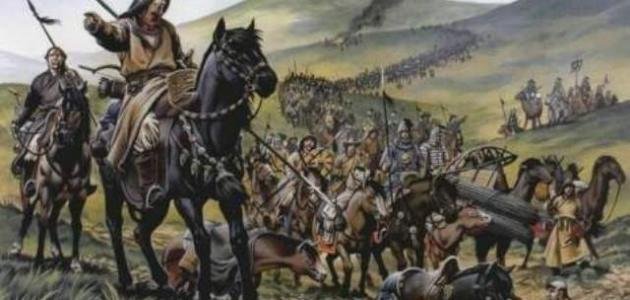
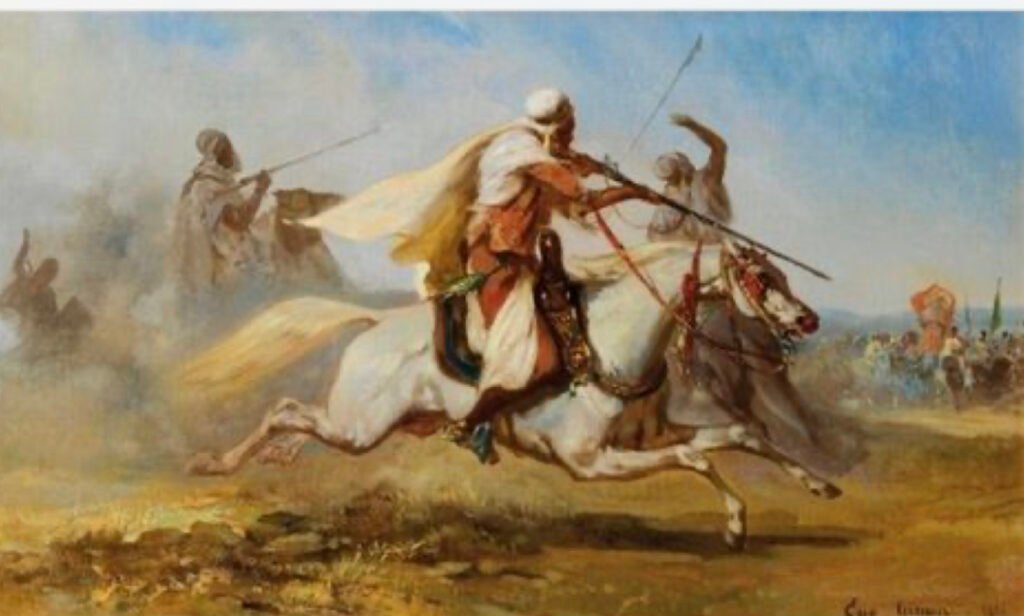
The Mamluk state ruled Egypt for approximately 267 years, from 1250 to 1517 AD, yet their power in Egypt did not end with the end of their state, after the Ottoman Sultan Selim I defeated the leader of the Mamluk state Tuman Bay in the Battle of Raydaniyah, but the end of the Mamluks came at the hands of Muhammad Ali in 1811 in the castle massacre. The Mamluk state was interested in horses and knights; Due to the dangers and wars they were facing, their era began with the war against the Tatars and uprooting their roots in the…

Read More

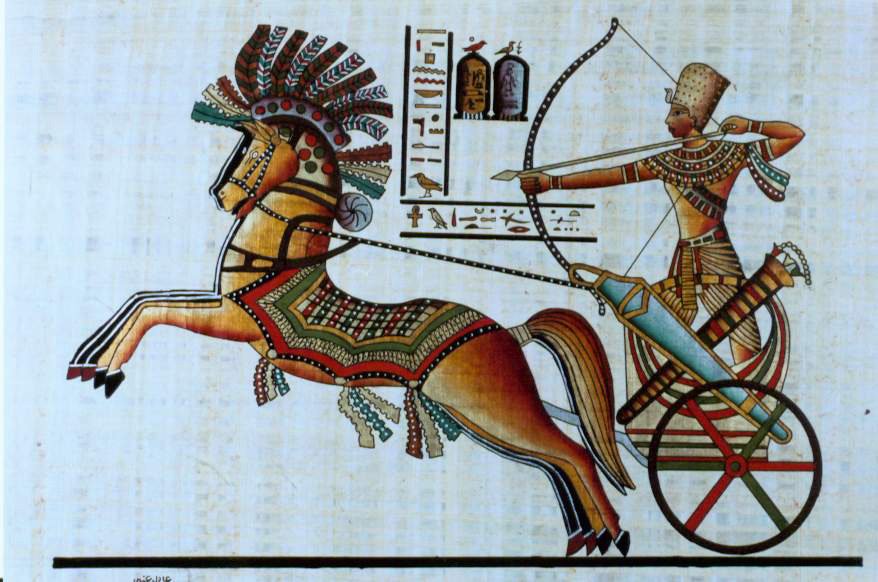
Contemplating the history of Egyptian horses, he realizes with certainty that they have found great care and care, unprecedented since the time of the Pharaohs. The first to care about horses was King Ahmose, when he decided to expel the Hyksos from Thebes. He studied the reasons for their military superiority, and found that it lies in the war wheel drawn by three horses. He decided to raise strong horses with high physical structures; Only two horses could pull the chariot and maneuver with it, to be more flexible than the chariot pulled by three horses, and this was the…

Read More

Muhammad Ali established a special law for the sale and purchase of horses, and the cases requiring the sale to be terminated. Every defect or disease that necessitated the annulment of the sale became a definitive reason for the invalidity and spoilage of the sale, and the aforementioned diseases were specified by virtue of the law issued on May 20, 1838 AD. (first item) All the diseases and defects indicated below are the reason for the annulment of the sale and the grounds for the lawsuit stipulated in Article 1641 of the Civil Code, in the sale and exchange of…

Read More

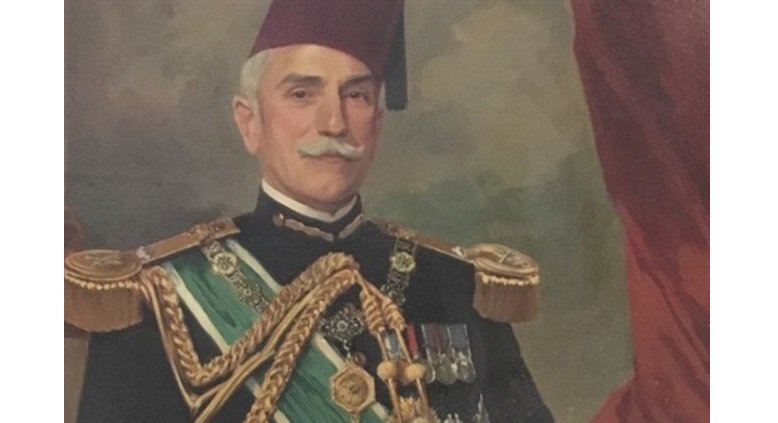
Prince Muhammad Ali Tawfiq paused for a long time in front of the “stature of the Arabian horses”; To determine the ideal specifications of the horse’s body parts, especially the ears, eyes, forehead, nostrils, tail and neck. He also dealt with the strength of horses, highlighting the advantages of their colors, especially red, white, dark blond, and black. He presented a summary of his experience in the field of horse breeding. He stressed that if the pedigree certificate does not enhance the good looks and beauty of appearance with actual evidence of the quality of the offspring, then it is…

Read More

Clot Bey wrote a very important historical testimony, which no one paid attention to, which is that the Egyptian horse surpassed the Arab horse by stages in all specifications of strength and beauty during the era of Muhammad Ali Pasha. Where Clout Bey describes horses in Egypt in his book “An Overview of Egypt” saying: Horses in Egypt are of many types, including the authentic Arab type from Arab countries, the Levantine type used by the Kurdish and Anza tribes, and the type brought from Dongola, where Dongola was famous for the Arab horse. Al-Danglawi, who gave the Holy Prophet…

Read More