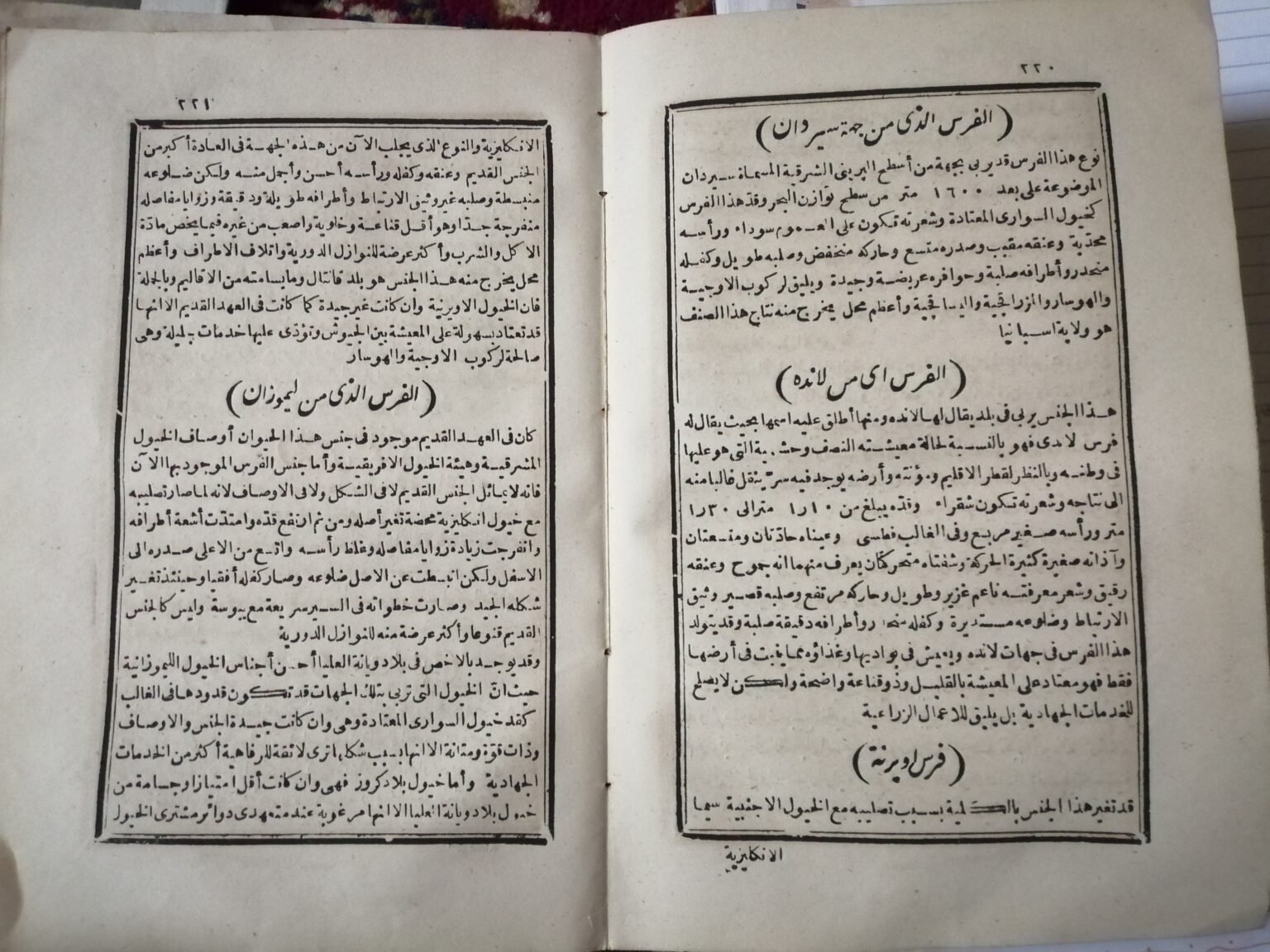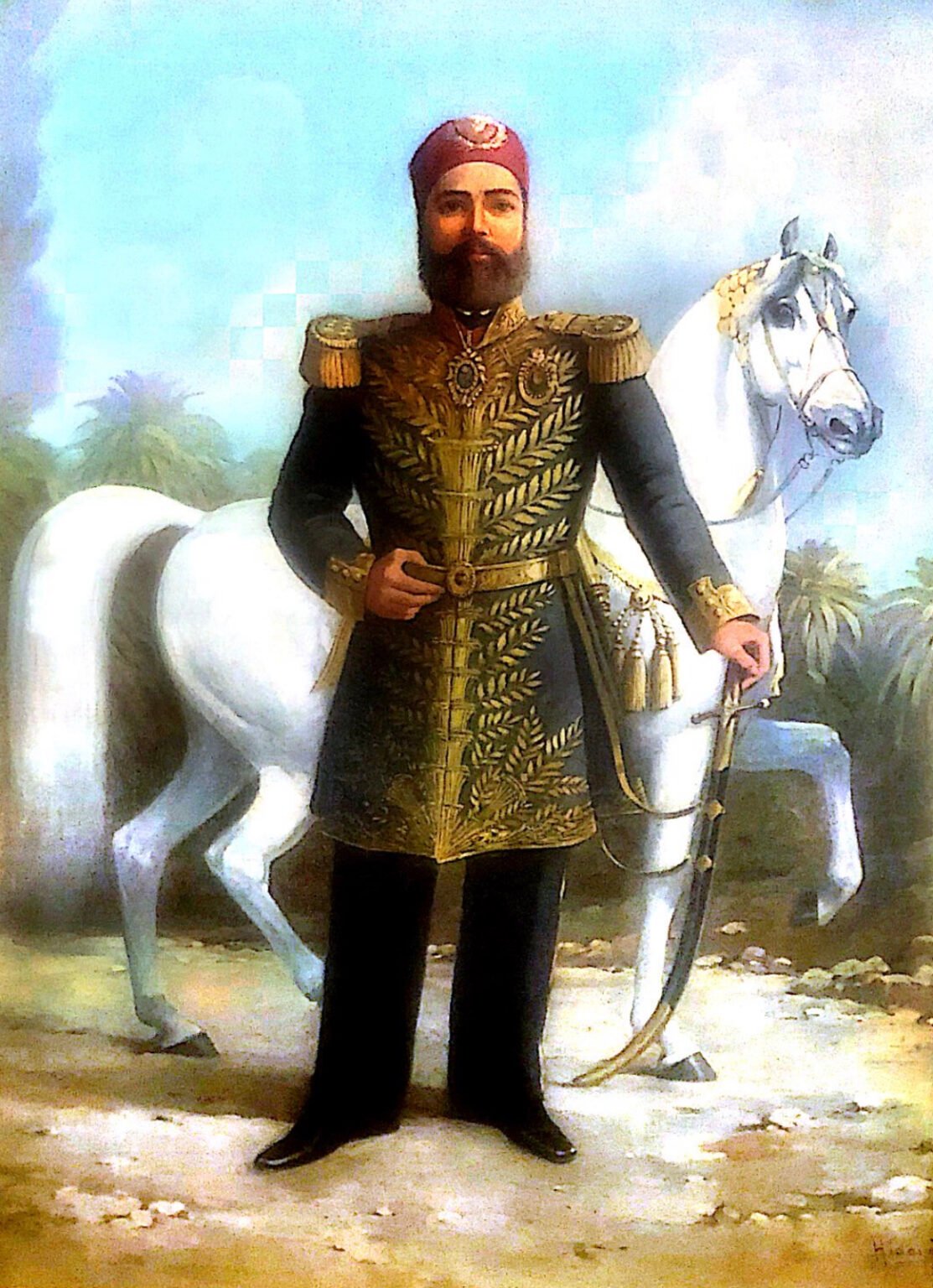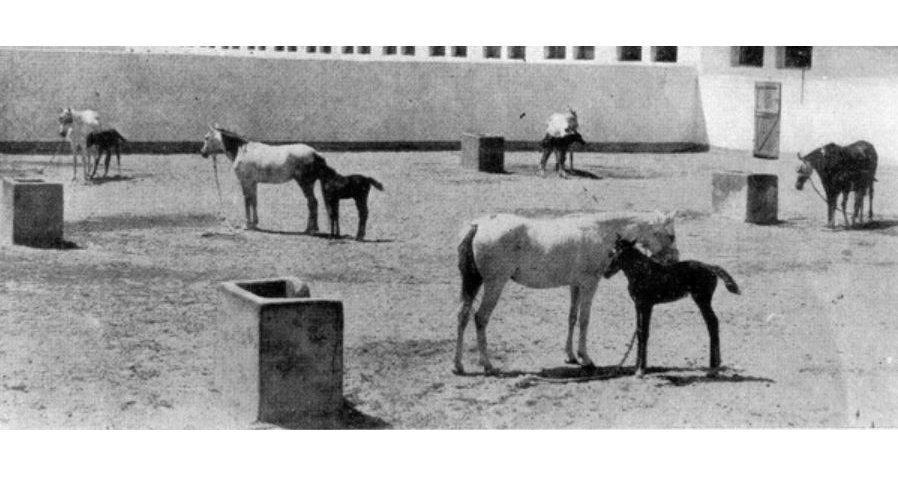
Abbas Pasha and his commanders persevered in keeping track of the finest breeds of purebred Arabian horses, and they competed in their acquisition, and made every effort to do so. In order to make a book that records the origins of the horses that he acquired, and not content with oral tales, and to prove the birth of these horses in the records of the renaissance of horse blogging. The second manuscript of Abbas Pasha I is the first book to record and document the history of the horses they brought from the Arabian Peninsula to his stables in Egypt,…
Author: mohamed saleh
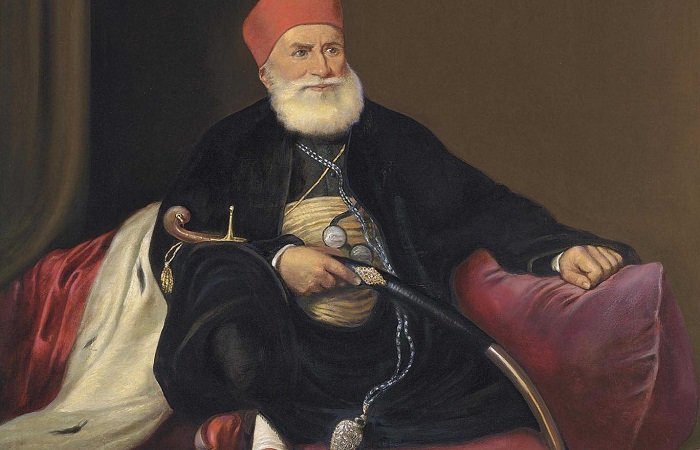
Muhammad Ali Pasha was fond of acquiring bred Arabian horses, and was interested in collecting what he could collect from them by purchasing from the countries to which his influence extended, especially the Arabian Peninsula. He was generously paid in horses; Therefore, his enemies rush before his friends and allies to sell him horses; In the hope of his generosity, and getting closer to him, and they were offering the best of their horses, so he collected many of them, and established the stables for training, generation and production, and he spent on these stables very generously and generously. The…
Muhammed Effendi Laz, author of the book “The Veterinarian’s Guide in the Appearance of Horses,” says: This abbreviation is drawn from a group of lessons that officers read when teaching in a school, and it includes several scientific materials by which officers, and likewise the Onbachs, obtain great benefits for their daily service, as there are What is known is the structure and system of horses, the original functions of the organ systems, the signs by which it is possible to know the quality and poor quality of horses, and the effects that apparent agents have on the health of…
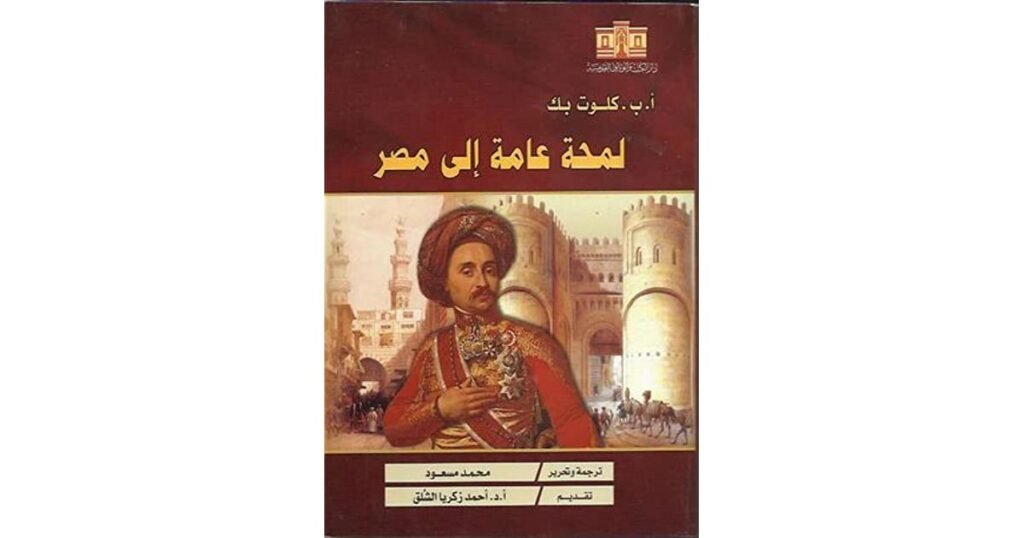
Clout Bey describes Muhammad Ali Pasha in his book “An Overview of Egypt”, saying: He is a quarter of his stature, his height does not exceed five feet and two inches, with a fat body, bloody mood, and nervousness to an extreme degree. His hair and beard in his youth were of a kind of sophistication, the forehead was exposed and prominent, and in his eyebrows there was an apparent protrusion. As for his eyes, they are chestnut in color, in purity and clarity, and they are deep in the eyebrows. The nose is medium in size, wide and swollen…
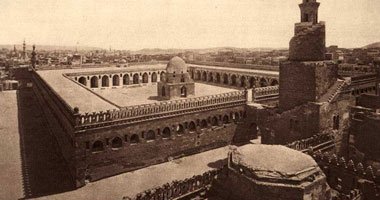
Ahmed Ibn Tulun is the founder of the Tulunid state in Egypt, which ruled for 36 years from 868 to 904 AD. The Abbasid Caliph sent him as ruler of Egypt, and Ibn Tulun declared himself an independent ruler. Ahmed bin Tulun built the city of Qata’i; To be the capital of him and his rule in Egypt throughout the Tulunid era, and he built a large palace with a field for playing wands. He also established a stable to breed horses, and took care of a number of them, and his son Khamarawih succeeded him in ruling, who was…
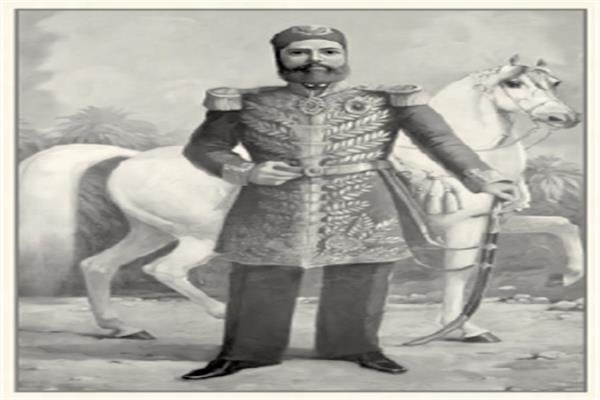
One of Abbas Pasha’s human stories with horses, which is told in his love for them and his appreciation for the Asayel, is that he gave the Queen of Britain the Saqlawan horse “Darby”, but this gift was not appreciated by the Queen, and she sold the horse, so a merchant bought it and sold it in India, and when the Pasha learned about it, he became angry severely, and he sent to the Bedouins who raised the horse, and said to them: Do you recognize the horse Derby? So they swore that they would distinguish him from among a…
Muhammed Ali Pasha decided to construct new large luxurious stables in the Shubra plain a short distance from his summer residence, the buildings being more spacious and luxurious; Well ventilated, befitting the status of the great Pasha, and reflecting the extent of his love for horses, as Shubra was luxurious gardens. This garden is a cell house established by the governor in the style of Byzantine buildings, and he collected inside it beautiful feathers and precious furniture, which draws attention to its good coordination in the situation and the safety of taste in choice. On the side of the garden…
Khedive Abbas Helmy II contributed to the development of purebred Arabian horses, by establishing the Al Hadab stem, which had a major role in producing more beautiful, strong and balanced horses. Khedive Abbas is the 7th ruler of Egypt during the Alawite dynasty. He is the son of Khedive Tawfiq bin Ismail bin Ibrahim bin Muhammad Ali, and he is the eldest of Khedive Tawfiq’s children. He was born on Jumada al-Thani in the year 1291 AH (July 14, 1874 AD). In January 1881, he joined the high school that his father had established in Abdeen. In the year 1884…
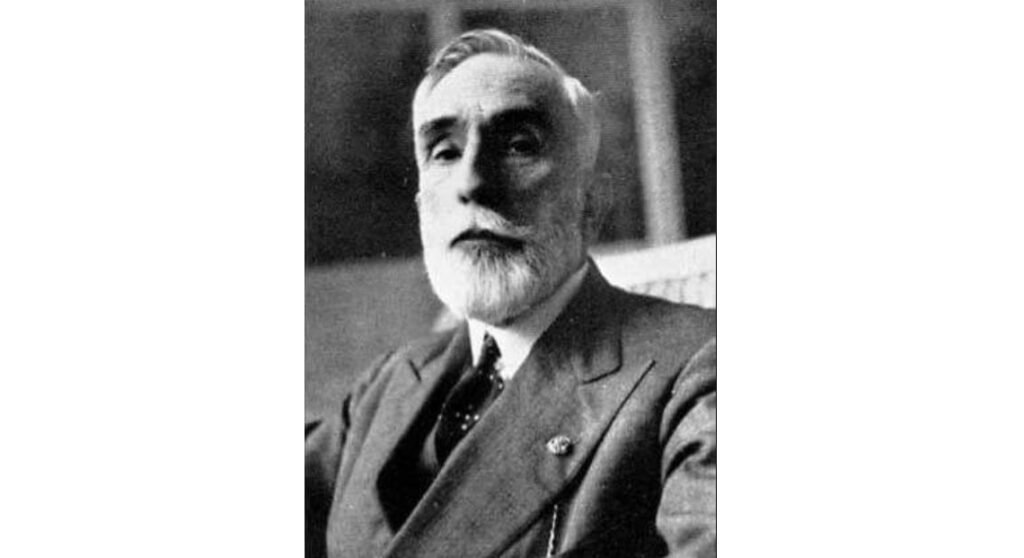
Prince Muhammad Ali Tawfiq is considered the most author of the purebred Arabian horse, and he is the one who preserved his heritage almost completely, as he authored many books covering all aspects of that field, whether its lineage, types, methods of breeding and improving it, or treating it, and others. Regarding the horse industry. Prince Muhammad Ali Tawfiq was born in Cairo on November 9, 1875 AD. Prince Muhammad Ali Tawfiq’s lineage is directly related to Muhammad Ali Pasha, the governor of Egypt, and bears his name, preceded in chronological order by his father and three grandparents: Khedive Tawfiq,…
During the Mamluk era, many administrative functions related to horse breeding arose, as follows: 1 – Amir Akhur: This function has been known since the time of the Fatimid state. The word “Achur” means the horse’s manger (the trowel in which food is placed). This function continued during the era of the Ayyubid state, and the Mamluks took it from them. Prince Khor resides in the royal stable. Among his duties is also traveling with the king in times of peace and war, preparing the Sultan’s procession, valuing the horses bought or sold, and making sure that food and water are provided to…